Where Does AI Get Ideas?
Understanding training data, influence, and the human role in modern creativity
By: PB thapa
Creative technology has introduced extraordinary speed into the act of making things. Images, drafts, and concepts can appear in moments. For many observers, this creates a natural and important question:
Where Do These Ideas Originate?
At the heart of our curiosity lies a more profound concern about originality and attribution. If a system can produce results in an instant, does that imply it has appropriated the thoughts, styles, or expressions of others without proper credit?
These are significant ethical dilemmas that warrant thoughtful discussion, not hasty assumptions or defensive reactions. We must engage in a deliberate conversation that thoroughly explores these questions and their implications for creativity and innovation.
How Do AI Systems Generate Results?
AI systems derive their effectiveness by analysing vast datasets to uncover patterns and relationships across various forms of information. Unlike traditional references, these systems interpret the connections between words, colours, and structures, allowing for deeper insights.
The role of human input is vital, shaping the AI's understanding and aligning it with meaningful outcomes. This synergy between human creativity and technological advancement fosters innovative solutions that benefit society.
By prioritising a human-centred approach, we can effectively address ethical dilemmas and ensure that technological growth enriches personal experiences and cultural narratives. Engaging in thoughtful dialogue encourages a future where technology amplifies the human experience rather than diminishes it.
Why is The Confusion Understandable?
When a result appears refined and cohesive, it often evokes a sense of intent, leading observers to believe that a deliberate author has crafted it. This inclination to attribute authorship is deeply ingrained in human nature.
However, it is vital to distinguish between embodying learned concepts and outright replication of a source. Consider the educational journey: a student absorbs countless perspectives through extensive reading over time.
The sentences they eventually construct are influenced broadly by their vast knowledge rather than lifted verbatim from any single text.
Such influence shapes originality, while mere replication lacks the nuance of genuine understanding.
What Training Data Really Means?
Understanding the concept of training data is essential in grasping how systems operate. At its core, these systems process vast amounts of text and visual data to identify intricate patterns and associations.
They examine which words frequently co-occur, how visual elements interact, and the repetition of structural forms. This analysis allows the system to generate probabilities, predicting the most suitable responses to given prompts.
It’s important to note that these systems lack conscious awareness or intention, existing purely to synthesise information based on learned relationships rather than emulating human creativity or intent.
But Influence Still Matters
Here is where thoughtful professionals tend to pause.
Even if there is no copying mechanism in place, the foundation of knowledge emerges from the rich tapestry of human culture. Writers, photographers, designers, researchers, and educators have collectively built a vast treasure trove of material that informs our understanding.
Acknowledging this lineage is essential for anyone committed to ethical creation.
Maturity in this context involves embracing two interrelated truths:
The system operates through patterns and probabilities, while acknowledging that it is human effort that shaped the very material it draws upon.
This dual recognition enhances our ability to innovate responsibly and meaningfully.
The Role of The Person Using The System
At the heart of any effective system lies the human element.
A prompt serves as a guiding signal rather than a magical solution; its value depends entirely on the user’s discernment.
The individual must communicate clear intentions by defining their desires, setting firm boundaries, and identifying content that merits further development. It’s this thoughtful engagement that transforms mere output into meaningful work.
Without such consideration, results may lack coherence and purpose.
Ultimately, the responsibility rests with the user to shape and refine the process, ensuring it aligns with their vision and ethical standards.
Why Do Results Sometimes Resemble Existing Styles?
Artistic outcomes often echo established styles, and this phenomenon reflects the significance of patterns within creative practices.
When multiple artworks exhibit similar lighting, colour schemes, or compositional techniques, these shared characteristics can lead to familiar visual experiences.
However, this does not equate to artistic theft; rather, it suggests a reliance on widely-used conventions that have shaped the artistic landscape.
The true challenge for creators lies in transcending these familiar frameworks, finding innovative ways to infuse their unique perspectives, and ultimately cultivating a distinctive voice that stands apart from conventional norms.
This pursuit is essential for fostering originality and advancing the art form.
Originality is Still a Human Discipline
Speed can breed temptation. When results materialise swiftly, it's all too easy to settle for the initial outcome.
True professionals, however, resist this allure. They meticulously refine, integrate, and reshape their work, discarding what doesn’t meet their standards and striving for excellence. This process shifts the focus from simply executing tasks to enhancing decision-making quality.
As a result, the discerning eye takes on an even greater significance. The best practitioners understand that diligence and attention to detail yield superior outcomes, valuing the journey of improvement as much as the end result itself.
What Responsible Creators Tend To Do
Artists often engage in a reflective process, asking themselves pivotal questions that guide their creative journey. They ponder whether their work closely mirrors that of a specific living artist and evaluate the extent of their transformative efforts.
Are they offering a fresh perspective, or are they merely recycling existing concepts?
Additionally, they consider the possibility of publicly defending their artistic choices. This level of introspection indicates a commitment to authenticity and a respectful acknowledgement of the art community's boundaries.
Such thoughtful hesitation not only enhances the quality of their work but also enriches the conversation within the creative landscape.
The Legal Landscape
Across the globe, courts and policymakers continue to grapple with the nuances of how copyright principles apply to machine learning technologies. The interpretations and outcomes of these legal frameworks can vary significantly between jurisdictions and are expected to shift as the technology evolves.
Staying informed about developments in this area is essential for professionals navigating the intersection of copyright law and technology. Reputable organisations that provide regular updates include:
The World Intellectual Property Organisation, National copyright offices, and Academic institutions dedicated to technology law research.
Engaging with primary sources and scholarly articles remains far more beneficial than relying on heated discussions in online forums.
A Quieter Truth That Rarely Trends
Creative success is seldom the product of tools alone; rather, it emerges from a confluence of taste, patience, and a deep understanding of one’s audience.
While technology offers innovative options for expression, it does not replace the essential skills of discernment and refinement. The process of editing, shaping ideas to resonate more effectively, requires diligence and an earnest commitment to craft.
Ultimately, the most impactful creations arise not just from employing software but from cultivating a thoughtful, nuanced approach that respects both the artist's vision and the audience's needs.
Pressing forward requires an appreciation for the depth of this interaction.
The Opportunity Hidden in The Debate
Transitions often serve as pivotal moments that sharpen our understanding of standards. When creators embody transparency, demonstrate genuine care, and put forth sincere effort, they cultivate robust reputations.
Audiences have a keen ability to recognise integrity, and as a result, trust emerges as a defining characteristic in the relationship between creators and their followers.
This trust not only fosters loyalty but also distinguishes those who prioritise authenticity in their work from others in a crowded marketplace.
What This Means For Readers Entering The Field
You are not required to solve global ethics debates overnight.
You can cultivate effective habits that enhance your growth and creativity. Consider the following steps:
Review Thoroughly: Take the time to critically analyse your work and the works of others. This fosters deeper understanding and insight.
Avoid Imitation: Strive for originality in your expression. While it's okay to draw inspiration, ensure your voice remains distinct.
Credit Influences: Acknowledge the ideas and inspirations that shape your work. This not only fosters integrity but also helps build a community of mutual respect.
Embrace Lifelong Learning: Stay curious and open-minded. Continuous education expands your perspective and refines your skills.
These practices accumulate over time, leading to substantial personal and professional development.
Key Takeaway
AI has the potential to present numerous scenarios and options.
However, it is ultimately humans who exercise judgment, shaping those possibilities into tangible outcomes. Our choices and values determine which innovations gain traction and influence our future, reflecting the importance of human agency in the technological landscape.
Continue Reading
Next, we explore another tension many people feel:
👉 Does AI make creation too easy, and if so, what happens to skill?
FREE Download
Before publishing, many professionals run through a short personal audit.
You can download the Responsible Creator Checklist here 👉: Message "DROP", and I'll send it to you.
Thoughtful discussion is welcome. Please remain respectful. Your comments may be moderated.
Do read our Comments Policy.
FAQ
Does AI store or retrieve specific artworks from its training process?
No. Systems learn statistical relationships between elements rather than keeping a searchable archive of images or texts.
Why can outputs sometimes feel familiar?
Because widely used styles share patterns. Similar inputs can lead to results that resemble established conventions.
Who is responsible if something appears too close to an existing work?
The responsibility sits with the person who decides to publish the material.
Further Reading:
For readers who want primary material, you might add: Organisations such as the World Intellectual Property Organisation and the UK Intellectual Property Office regularly publish discussions on copyright, training data, and emerging interpretation.
About the Author
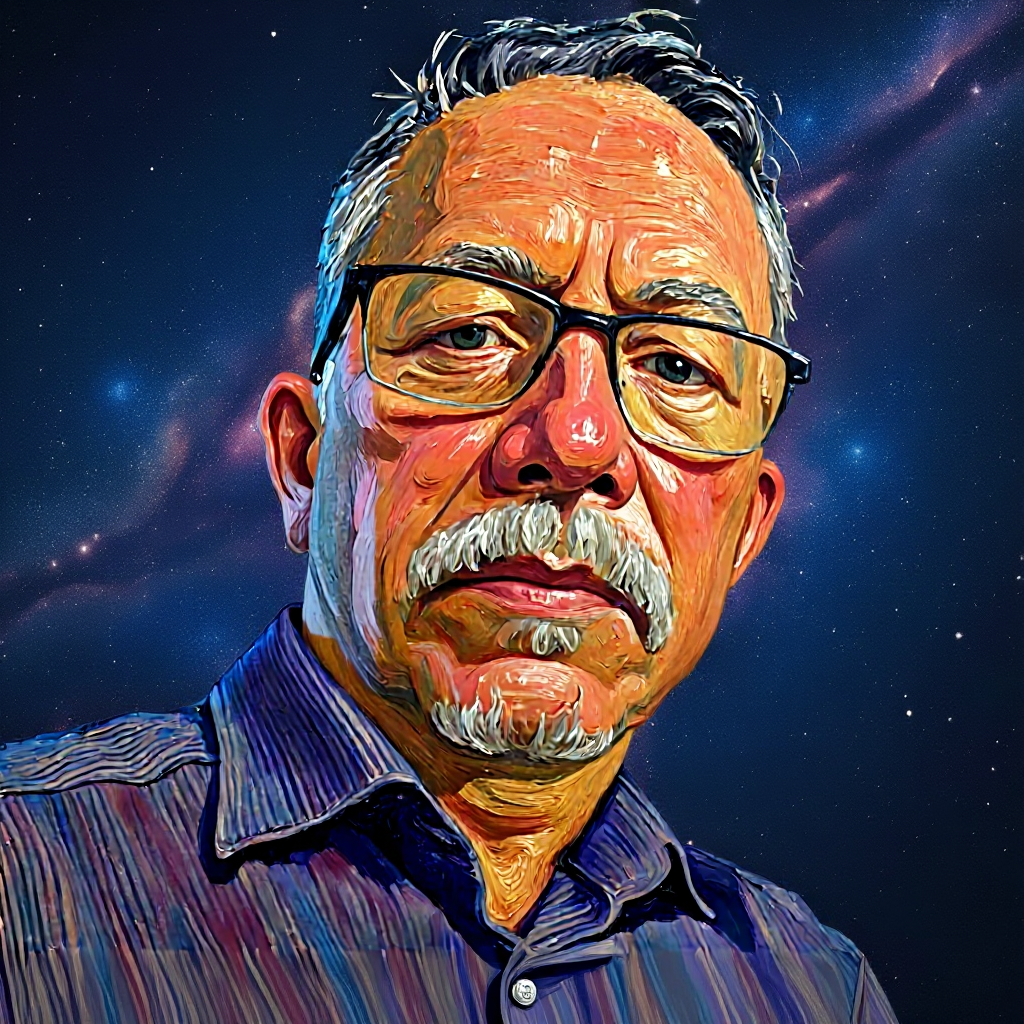
PB is the founder of PB’s Creative Studio, where traditional storytelling values meet modern digital workflows. His work focuses on helping creators, educators, and independent makers navigate change with clarity, responsibility, and respect for the craft. He believes strong ideas, careful judgement, and human intention remain at the centre of meaningful creation.